
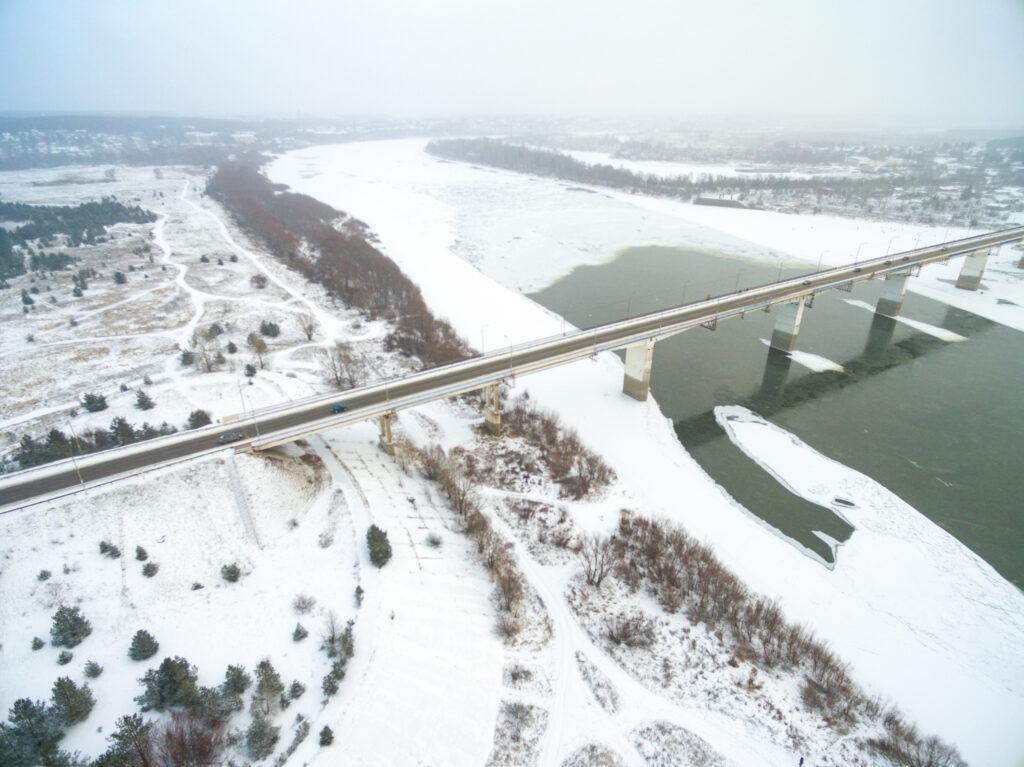
Thursday, August 9, 2018 was a historic day in Southern Nevada. Fifteen miles of new Interstate (I-11) were officially opened ahead of schedule. This segment of I-11 marks the first new Interstate Highway System built since the system was declared complete on October 14, 1992.
I had the privilege of spending more than ten percent of my life working on this project. Through this article, I want to share my experience and remind everyone why advocating for public works truly matters.

Project History
The development of Interstate 11 was the result of many years of planning, design, and coordination among multiple organizations and government agencies.
• December 2000 – Project proposed by Wendell Cox and Jean Love
• December 2005 – Environmental Impact Statement completed
• June 2007 – Preliminary design completed
• July 2012 – MAP-21 designates Interstate 11 Corridor
• September 2013 – Clark County Commissioners approve fuel revenue indexing
• November 2013 – RTC releases Design Build RFP
• November 2013 – UNLV discovers Naturally Occurring Asbestos (NOA)
• December 2014 – EIS Re-Evaluation
• December 2014 – RTC selects Las Vegas Paving Corporation
• April 2015 – Construction Notice to Proceed
• October 2018 – Final Completion
Project Statistics
• 5,200,000 Cubic Yards of Blasting
• 6,000,000 Cubic Yards of Embankment
• 28,000 Lineal Feet of Storm Drain Improvements
• 350,000 Tons Asphalt Pavement
• 550,000 Tons Aggregate Base
• 11 Bridges
• 30,000 Cubic Yards of Structural Concrete

Coordination Between Multiple Agencies
A project that starts well generally ends well, and this was the case with I-11. Complex projects require tremendous coordination.
Design review was performed by multiple agencies including RTC, NDOT, FHWA, National Park Service, Arizona Game and Fish, Boulder City, and Boulder City Airport.
The RTC assembled a strong management team and created an environment where stakeholders could communicate openly and solve issues during design and construction. Without this planning and coordination, the project would not have been as successful.
Managing Naturally Occurring Asbestos (NOA)
During the RFP phase, UNLV discovered Naturally Occurring Asbestos on the project site. Because of this discovery, the design builder had to create a NOA Management Plan to protect both employees and the general public.
Las Vegas Paving partnered with SCS Engineers to develop this plan, which included air monitoring, personnel monitoring, weather monitoring, and soil testing.
Design and Construction Collaboration
Las Vegas Paving partnered with the CA Group for design services. Even before final designs were completed, construction began to accelerate project progress.
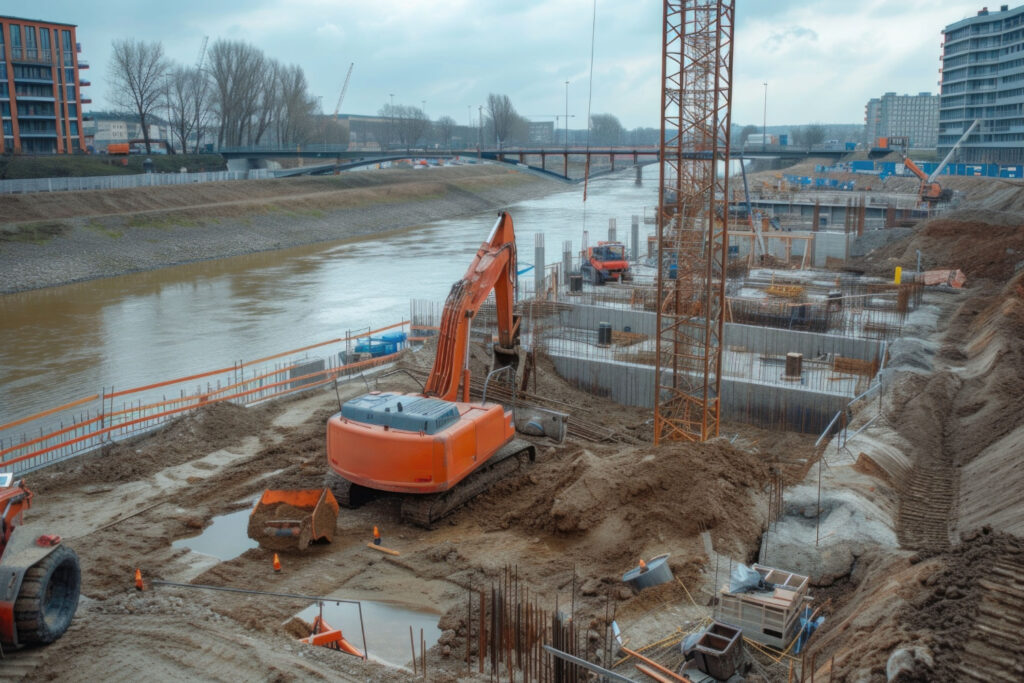
By March 2016 the team had already moved nearly 3,000,000 cubic yards of material, started construction of three bridges, and installed miles of storm drain culverts.
The Workforce Behind the Project
Las Vegas Paving self-performed over 80% of the project work. Being a local company, it employed local tradesmen and tradeswomen.
Approximately 250,000 hours of labor were spent by Las Vegas Paving employees alone to complete construction. This number does not include the hours spent by subcontractors, designers, and office staff.
The Grand Opening of I-11
On August 9, 2018, I-11 officially opened. Nearly 500 people attended the grand opening celebration including US Senators, Congress members, state officials, county commissioners, and local leaders.
The project was the result of years of infrastructure planning and collaboration between government agencies and the construction industry.
Why Public Works Advocacy Matters
Advocating for public works is essential for future infrastructure development. Everyone can play a role by educating their communities about infrastructure and how public funding supports these projects.
Organizations such as APWA make it easier for professionals to communicate with lawmakers and advocate for improvements in infrastructure.
As one colleague once said:
“Why do I advocate for Public Works? Because if I don’t, who will?”
About the Author
Steven Ireland is a native of Las Vegas, Nevada and a graduate of APWA’s Emerging Leaders Academy VII. He currently serves on APWA’s Government Affairs Committee and works for Las Vegas Paving Corporation focusing on alternative construction delivery methods.