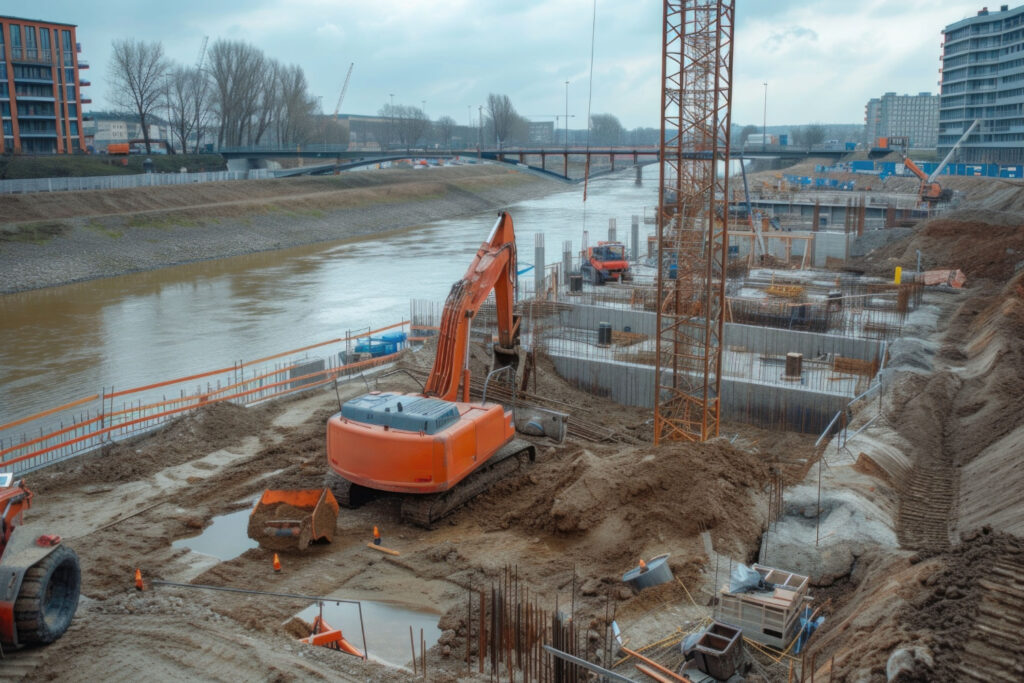

When I was in elementary school, the highlight of my week was waking up on Saturday morning and going to work with my Dad. Sometimes I was lucky enough to dig with the backhoe in a stockpile before we went home.
As a child, I often heard my father say, “I can’t believe we are doing this, but that’s what they want us to do.” He believed engineers could draw beautiful designs on paper but often did not understand how construction worked in real life.
Years later, I still doubt that I will ever convince him that a perfect engineer exists, but I never stop trying.
The Reality of Regulation in Public Works
In many discussions among Public Works professionals, stories often begin with, “I can’t believe we are doing this, but…” At the heart of these stories is one common factor — regulation.
Working in the private sector as a Public Works professional means following practical logic. If something does not make sense, it should not be done. Repeating tasks that lack practical value often leads to inefficiency.
Why then do we sometimes perform actions that do not make sense simply to comply with regulations outside our control?
Public Works professionals are problem solvers by nature.
When officials ask for budget reductions, we adapt.
When the public raises safety concerns, we optimize solutions.
When natural disasters occur, we restore essential services.
However, strict interpretation of regulations sometimes limits innovation and efficiency.
Communication With Elected Officials
Most elected officials are not Public Works professionals. Many openly admit they do not understand technical differences such as TSS or MGD. This is not a problem; we should not expect them to.
Instead, Public Works professionals must become trusted sources of information when regulations are created or modified.
Providing facts, sharing real-world stories of success and failure, and explaining the practical impacts of regulation are important.
Elected officials often respond well to stories that explain how regulations may:
- Increase taxpayer cost
- Slow job creation
- Impede progress
- Be incorrectly applied
These are issues they are motivated to correct.
Effective Advocacy Strategies
The author suggests several strategies to become a stronger voice in infrastructure policy.
Become an APWA Advocate
Signing up through the Legislative Action Center allows professionals to communicate with elected officials easily.
When regulatory action is required, advocacy emails can be sent in less than 30 seconds. Many professionals have received responses from their representatives as a result of participating in this system.
Encourage Infrastructure Caucus Participation
Public Works professionals can encourage their representatives to join infrastructure-focused caucuses to support policy discussions related to infrastructure funding and development.
Build Relationships With Government Staff
Meeting elected officials does not always require traveling to Washington D.C.
Visiting local offices, introducing yourself, explaining your profession, and offering technical expertise can create valuable communication channels.
Public Interest in Infrastructure
Infrastructure funding has become a major topic in federal, state, and local governments.
Educational and media content about infrastructure helps the public understand the importance of public works.
Even humorous presentations, such as infrastructure documentaries, can increase public awareness.
Community Communication Matters
In 2016, Clark County, Nevada proposed a fuel tax increase to support infrastructure investment.
By explaining public works activities to neighbors and community members, many people understood the value of infrastructure spending.
The message was simple:
“You get what you pay for.”
The ballot measure eventually passed because professionals helped communicate the purpose of the funding.
Who’s Regulating the Regulators?
The central question remains:
Who is regulating the regulators?
Public Works professionals must become active participants in policy discussions. If professionals do not provide input, regulatory decisions may be made without practical industry knowledge.
About the Author
Steven Ireland is a native of Las Vegas, Nevada. A graduate of APWA’s Emerging Leaders Academy VII, he serves on the APWA Government Affairs Committee.
He works for Las Vegas Paving Corporation, focusing on alternative construction delivery methods.