In the early 90’s, Clark County, Nevada set out on an ambitious project that reshaped the County forever. No, the County did not get into the casino business, although that would have been much more profitable. Instead, the County master planned and constructed the Bruce Woodbury Beltway (CC-215 or Beltway), a 50-mile stretch of freeway. Much of the funding came from local tax revenues, and a significant portion of right-of-way was acquired from lands managed by the Bureau of Land Management (BLM).
The Beltway was designed to Interstate standards and intended to receive Interstate designation (I-215) upon completion. To date, approximately eleven miles have received Interstate designation.
Construction Phasing and Sequencing
Constructing 50 miles of interstate was a major challenge. The County did not have a blank check, and it was critical that residents had access as soon as possible. Realistic goals were set, aiming for full interstate improvements by 2025.
An expressway was constructed first, completed in 2003, providing residents access to all 50 miles of the Beltway.
Northern CC-215 Beltway Project
The last section, “Northern CC-215 Beltway from North 5th Street to UPRR”, involves nearly 4 miles of interstate improvements and three grade-separated interchanges. Key construction statistics include:
- 775,000 Cubic Yards Mass Excavation
- 575,000 Cubic Yards Export
- 100,000 Cubic Yards Aggregate Base
- 80,000 Tons Asphalt
- 135,000 Square Yards Portland Cement Concrete Pavement (PCCP)
- 3 Bridge Structures
- 13,000 Feet Storm Drain Improvements
- 6 Traffic Signal Systems
- 325,000 Feet Copper Conductor
- 100 High Mast Lights
- 130,000 Feet Polyurea Striping
- Total Budget: $64.8 Million
Construction was approximately 65% complete at the time of writing, with substantial completion expected in Summer 2020.
Construction Techniques
Soffit Fill
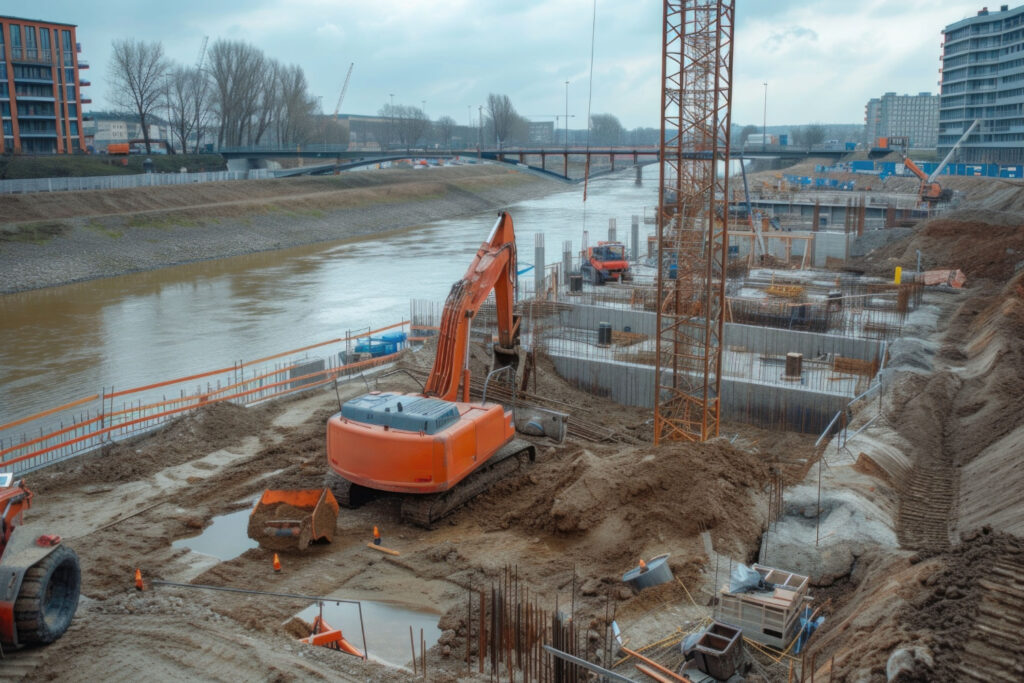
The expressway was well-planned. Areas between grade-separated intersections were constructed as permanent improvements using PCCP. Traffic at intersections was routed onto future Interstate ramps, allowing construction of post-tensioned box girder bridges on soffit fill instead of traditional shoring.
Caption: Losee Road Bridge – Abutment and Column Excavation and Concrete Placement
Las Vegas Paving has refined this technique on multiple bridges. The process involves:
- Constructing and backfilling footings, abutments, and columns
- Placing a 4-inch concrete waste slab for bridge camber
- Constructing and stressing the post-tensioned box girder bridge
- Removing the soffit fill and waste slab
This method has proven safer and more cost-effective.
Traffic Control
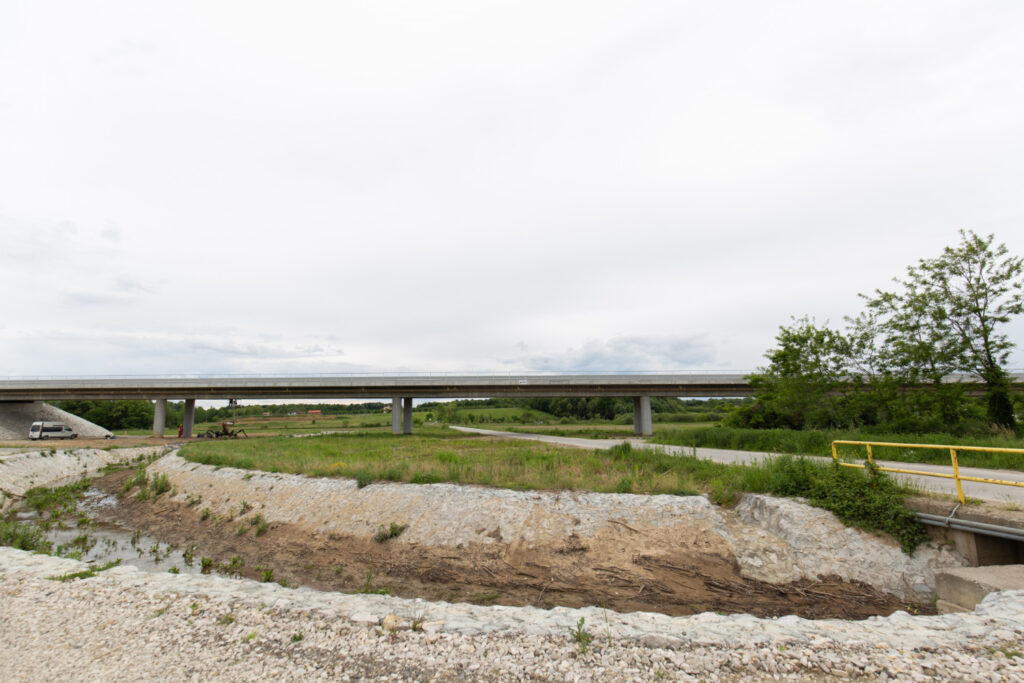
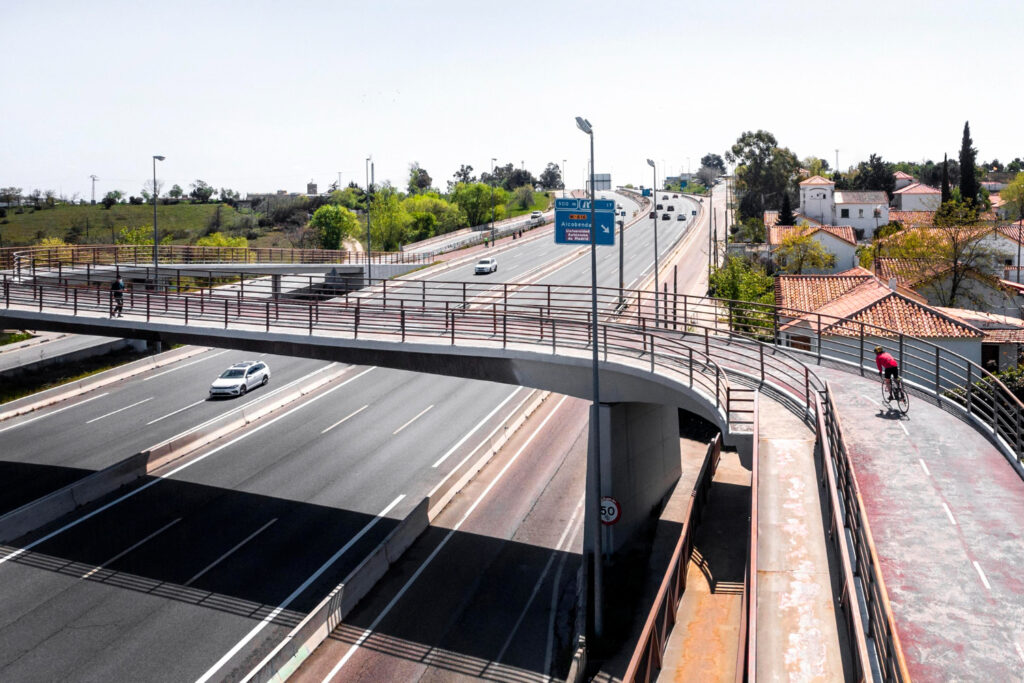
Maintaining traffic flow during construction was critical. Two 12-foot lanes were maintained in each direction, with temporary paved detours around bridges under construction. Special sequencing ensured median improvements were completed before outside widening.
.
Government Affairs Connection
Projects like CC-215 depend on public works professionals advocating for local infrastructure. In 2016, residents agreed to index local fuel taxes to inflation, earmarking funds for infrastructure investment.
Over the last six months, APWA has drafted a policy priority document for the upcoming reauthorization of the federal surface transportation law, FAST Act, expiring September 30, 2020. Steven Ireland participated in this workgroup, which focused on ensuring continued infrastructure investment.
Website reference: APWA Government Affairs – Public Policy Priorities
Lifelong Advocacy
Steven emphasizes that advocacy is a lifelong commitment. Even small actions—talking to neighbors, coworkers, or elected officials—can create meaningful change.
“By small and simple things… great things are brought to pass.”
He encourages public works professionals to speak up about what is required to construct and maintain public facilities.
About the Author
Steven Ireland is a native of Las Vegas, Nevada. He is a graduate of APWA’s Emerging Leaders Academy VII and recipient of the Myron Calkins Young Leader of the Year Award 2019. He serves on the APWA Government Affairs Committee and works for Las Vegas Paving Corporation focusing on alternative construction delivery methods.